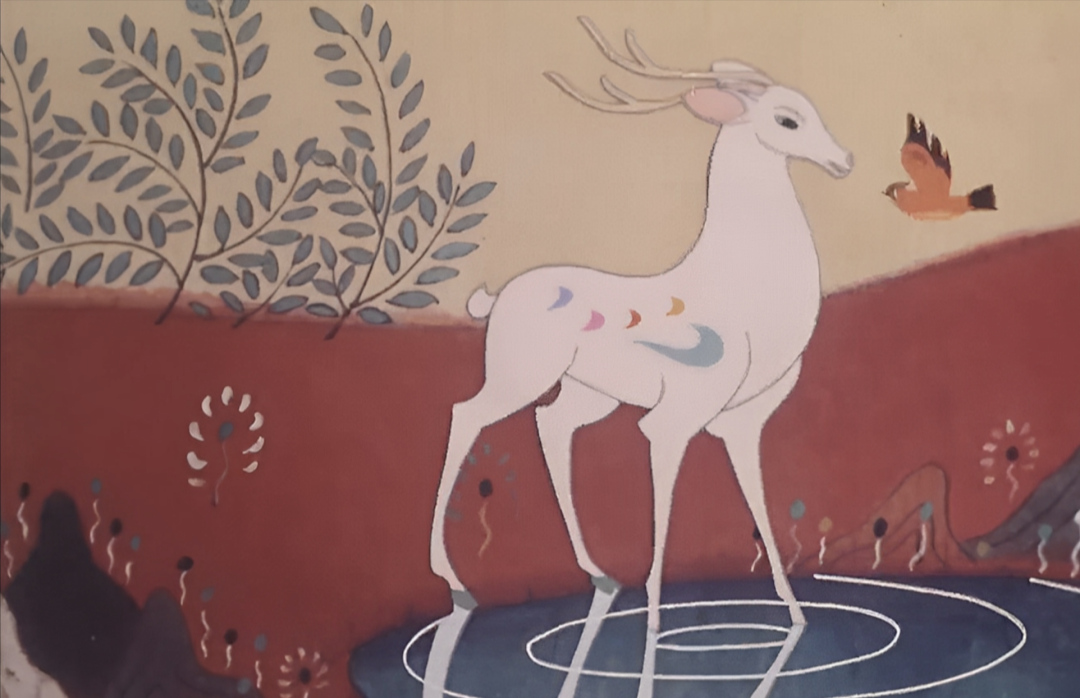
Nine-Coloured Deer (Animation)
Introduction
Nine-Coloured Deer is a renowned Chinese animated film that was adapted from the illustrious fresco The Figure of Nine-coloured Deer, found in the Dunhuang Grottoes, a series of caves located on the ancient Silk Road. The film, produced in the 1980s, has since become a seminal work in Chinese animation, captivating audiences with its rich storytelling and cultural significance. The narrative follows a mystical deer that possesses nine radiant colors, embodying themes of compassion, wisdom, and the intricate relationship between humans and nature. Through its unique artistic style and compelling story, Nine-Coloured Deer continues to hold a cherished place in the hearts of audiences both young and old, serving as a testament to the enduring legacy of Chinese folklore and animation.
Background
The origin of Nine-Coloured Deer is deeply rooted in China's rich cultural history. The story is based on the fresco No. 257 from the Dunhuang Grottoes, known as The Figure of Nine-coloured Deer. These grottoes are a historical treasure trove of Buddhist art, depicting various religious and cultural motifs that have been preserved over centuries. The fresco itself is celebrated for its exquisite detail and vibrant colors, which bring to life the legend of the nine-coloured deer. This piece of art was chosen as the basis for the animation due to its completeness and the powerful narrative it encapsulates.
In the context of Chinese art and culture, the adaptation of such historical works into modern media serves as a bridge connecting the past with the present. The film was created during a period when Chinese animation was beginning to gain recognition, standing as a reflection of the country's rich artistic traditions. The transformation of this ancient artwork into an animated film exemplifies the dynamism of Chinese storytelling, where age-old tales are reimagined for contemporary audiences while preserving their original essence.
Plot Summary
The plot of Nine-Coloured Deer unfolds amidst the breathtaking landscapes inspired by the Silk Road's majestic vistas. The story begins with a mystical deer of nine colors, a creature of immense beauty and grace, who resides in the tranquil forests near Dunhuang. This deer is not just a symbol of splendor but also a beacon of wisdom and benevolence. One day, a hunter, driven by greed and ambition, chases after the deer, hoping to capture it.
As the tale progresses, the deer saves a drowning man who later betrays its trust by revealing its location to the hunter in exchange for a reward. This act of treachery highlights the perennial struggle between human greed and the natural world's sanctity. Despite the betrayal, the deer forgives the man, showcasing themes of compassion and the moral high ground. In the end, the deer's benevolence triumphs, leaving a lasting impression on the audience about the virtues of kindness and forgiveness.
Characters
The Nine-Coloured Deer
The central character of the story is the mystical nine-coloured deer. It is portrayed as a creature of unmatched beauty, with each color symbolizing different virtues such as courage, wisdom, and compassion. The deer's character is central to the film's moral narrative, representing the harmonious relationship between nature and humanity. Its ability to forgive and understand, even in the face of betrayal, serves as a powerful message about empathy and moral integrity.
The Hunter
The hunter represents human greed and the desire to exploit nature for personal gain. His relentless pursuit of the deer underscores the destructive tendencies inherent in human nature. The character serves as a foil to the deer's benevolence, bringing to light the consequences of selfishness and betrayal.
The Drowning Man
The drowning man is a pivotal character whose actions drive the story forward. Initially saved by the deer, his subsequent betrayal underscores the themes of trust and gratitude. His character arc serves as a moral lesson on the repercussions of deceit and the importance of maintaining integrity.
Themes and Interpretations
Cultural Significance
Nine-Coloured Deer holds immense cultural significance, serving as a nexus between ancient Chinese folklore and contemporary storytelling. The film revitalizes an age-old legend, introducing it to new generations and preserving its place within the cultural consciousness. Through its narrative and artistic expression, the animation highlights the importance of cultural heritage and the role of storytelling in maintaining and passing down traditions.
The film's setting along the Silk Road further amplifies its cultural depth. As a historical conduit for trade and cultural exchange, the Silk Road embodies the spirit of connection and communication between diverse cultures. The inclusion of this backdrop in the film underscores the shared human experiences that transcend geographical boundaries.
Symbolism
The Nine-Coloured Deer is rich in symbolism, with each element of the story carrying deeper meanings. The deer itself is a multifaceted symbol, representing purity, wisdom, and the interdependence between nature and humans. Its nine colors are often interpreted as embodying various virtues, forming a holistic representation of moral and ethical ideals.
The deer's interactions with humans in the story symbolize the eternal conflict between selflessness and selfishness. The hunter's pursuit and the man's betrayal are metaphors for the destructive consequences of human greed. In contrast, the deer's forgiveness and compassion exemplify the transformative power of empathy and kindness.
Overall, Nine-Coloured Deer is a masterful blend of storytelling and artistry, offering audiences a window into the rich tapestry of Chinese culture and the timeless themes of morality and human nature. Through its evocative narrative and symbolic depth, the animation continues to inspire and educate, leaving a lasting legacy in the world of animated films.








